

For current EDIS Global VPS installations, start with Reset a Linux root password. The screenshots and
e → e → b key sequence below show legacy GRUB, not the GRUB 2 interface used by many current distributions. Recovery-mode authentication also varies by distribution; single-user mode does not always bypass a password prompt.Set a new password by booting your Linux VPS in single-user mode
A password change inside Linux is separate from signing in to the VPS Management Portal. If you use this legacy recovery method, follow the procedure for your distribution and bootloader. Follow these easy steps if you no longer have access to your Linux operating system, and you need to set a fresh Linux root password on your KVM.1
Start by enabling VNC
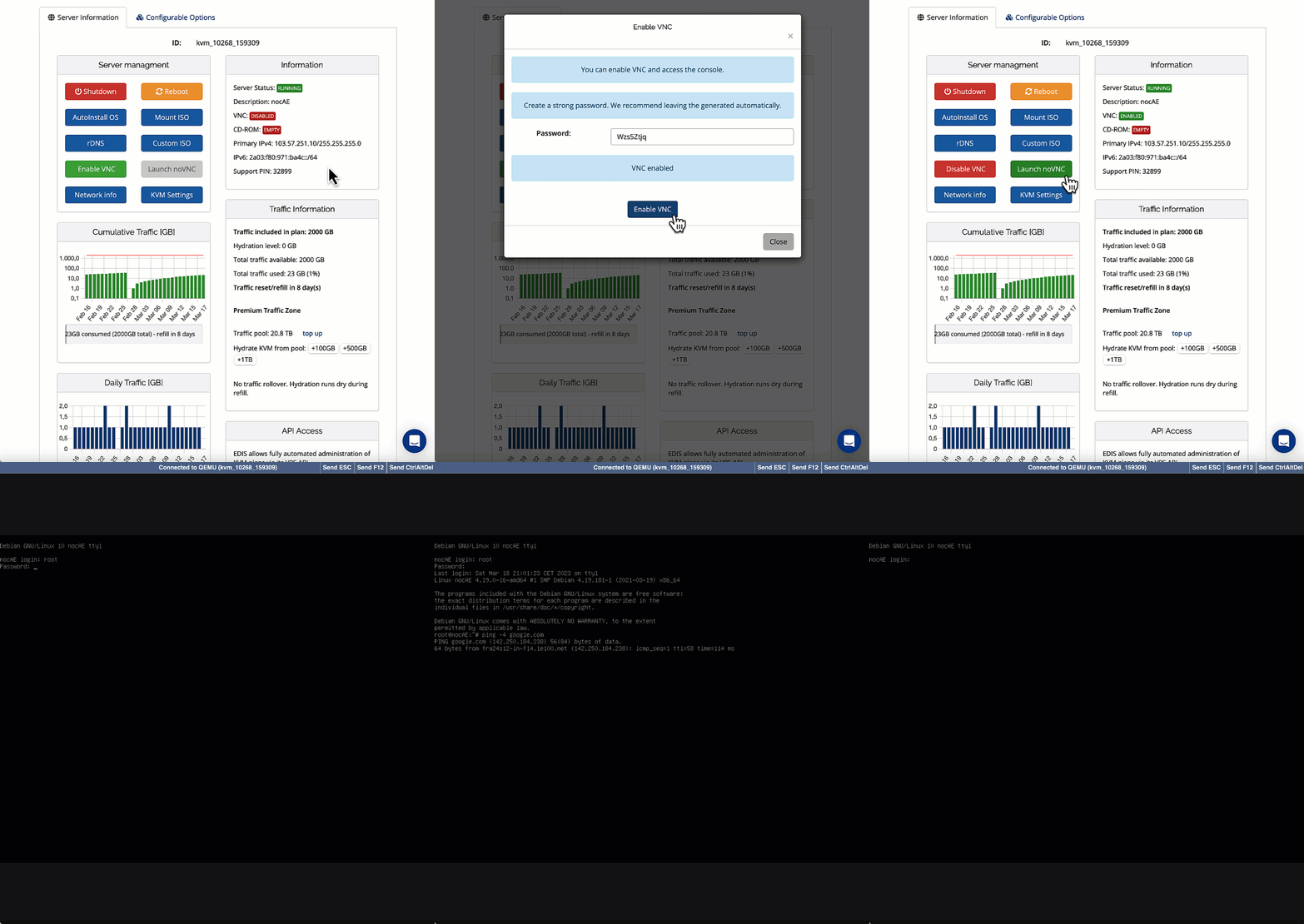
2
Launch noVNC session
3
Reboot your VPS
4
Enter the Grub (boot loader) menu
When the following screen appears, press any key to enter the Grub (boot loader) menu.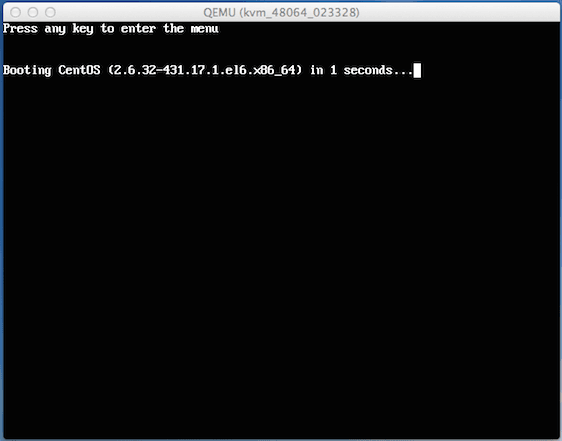
5
Press e on your keyboard to edit the kernel boot options.
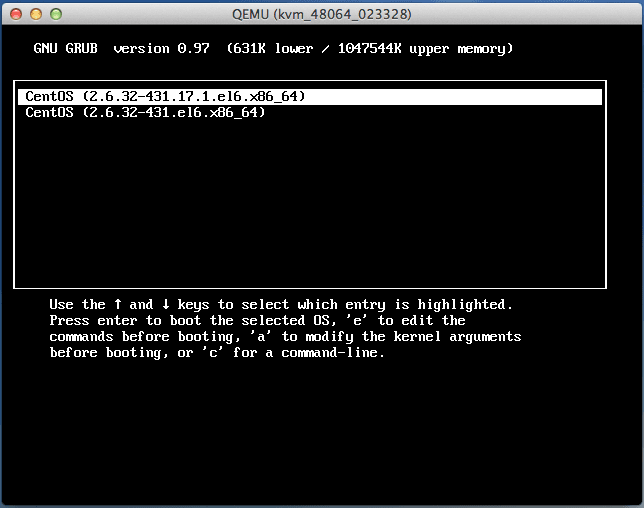
6
Highlight the second stanza (line) and press e again.
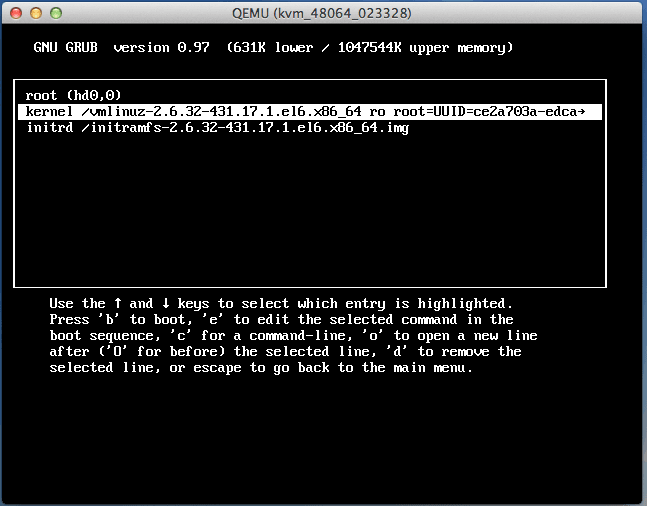
7
Edit the line highlighted in the previous step
You can now edit the line highlighted in the previous step. Add 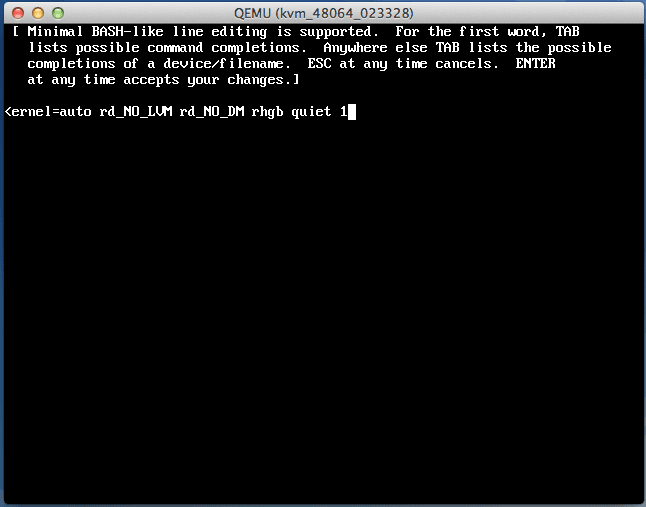
1 at the end of the line as indicated in the following screenshot, then confirm by pressing Enter.On Debian, add init=/bin/bash instead of 1 at the end of the line.8
Now you see the Grub stanzas as shown in step 5
Press The system prompts you to enter a new password for the root user.
b to continue booting, using the modified configuration. Linux now boots into single-user mode, which allows special administrative tasks. A recovery shell must have access to the root filesystem and permission to modify it before you can set a new password. Once the system is up and running, type the following command to update the root password:9
Once finished, reboot your VPS and you will be able to use the newly set root password